Lamborghini's CEO, Stephan Winkelmann, recently confirmed that the company's decision to halt its all-electric vehicle (EV) plans was a strategic move, particularly in light of the overwhelmingly negative reception to Ferrari's inaugural EV, the Luce. Winkelmann highlighted the minimal market demand for EVs within Lamborghini's exclusive segment and underscored the crucial role of emotional engagement, a characteristic he believes current EVs struggle to deliver. This strategic pivot has seen Lamborghini successfully focus on plug-in hybrid models such as the Revuelto and Temerario, reinforcing their commitment to a more gradual electrification transition while maintaining the brand's core appeal. The company, benefiting from its affiliation with the Volkswagen Group, can leverage the group's broader EV production to offset its carbon footprint, allowing Lamborghini to continue producing combustion-powered vehicles until regulatory mandates necessitate a full shift.
Lamborghini Prioritizes Brand Emotion Over Full EV Adoption
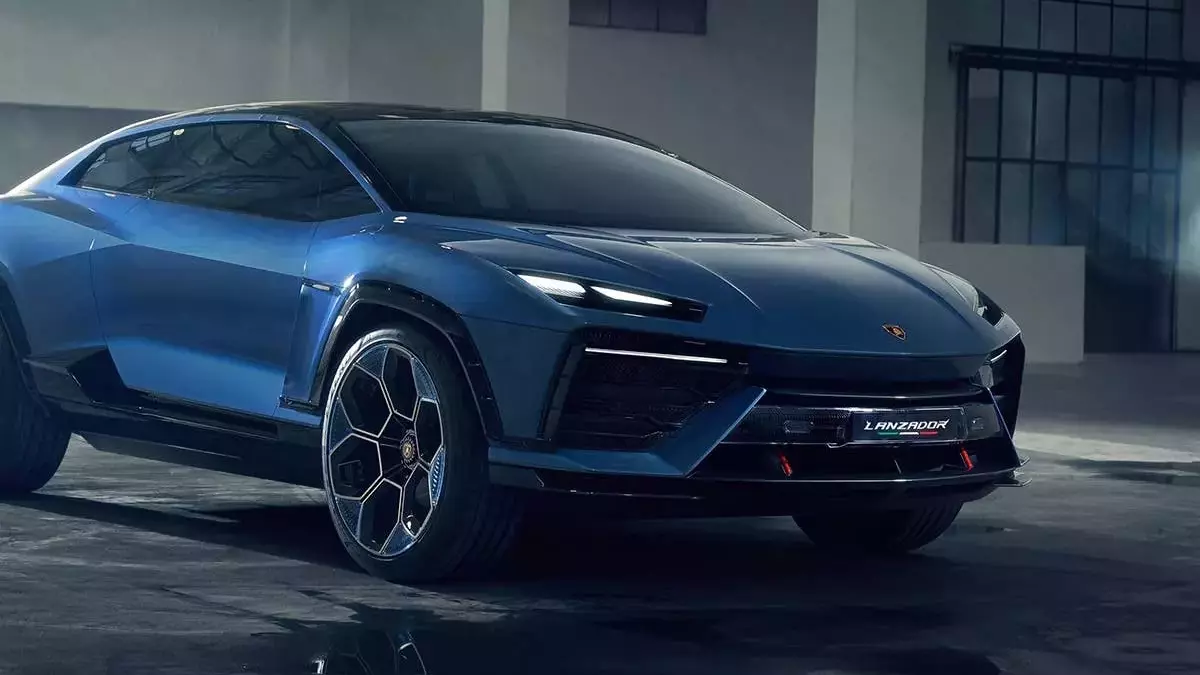
In a significant disclosure made on May 28, 2026, Lamborghini's Chief Executive Officer, Stephan Winkelmann, articulated the rationale behind the luxury automaker's decision to forgo its planned all-electric vehicle, the Lanzador. Speaking in an interview with CNBC, Winkelmann referenced the recent unveiling of the Ferrari Luce, Ferrari's first EV, which was met with widespread criticism across various online platforms. This public backlash served as a corroborating factor for Lamborghini's earlier assessment that demand for fully electric vehicles within their high-performance luxury niche remains negligible. Winkelmann explicitly stated that the target demographic for Lamborghini vehicles shows 'close to zero' interest in an EV, emphasizing that these electric models often fail to evoke the profound emotional connection that buyers associate with their brand. He noted that the transition to plug-in hybrid technology, exemplified by the successful launches of the Revuelto and Temerario, has been well-received by customers. This strategic move, Winkelmann asserted, was 'the right way to go,' allowing Lamborghini to maintain its distinctive appeal while gradually moving towards electrification. He further indicated that the company, being part of the larger Volkswagen Group, benefits from the group's extensive EV production, which helps balance the overall carbon footprint without forcing Lamborghini into an premature full-electric transition that could alienate its core customer base.
This careful approach by Lamborghini provides a compelling case study in brand preservation and market understanding within the luxury automotive sector. It suggests that for ultra-luxury brands where emotional connection and unique driving experiences are paramount, a wholesale adoption of electric vehicle technology may not always align with consumer expectations or brand identity, at least not in the current market landscape. The stark contrast in public reception between Ferrari's hurried EV debut and Lamborghini's cautious hybrid strategy underscores the importance of timing and thoughtful innovation. Ultimately, the success of Lamborghini's plug-in hybrid models like the Revuelto and Temerario highlights a pragmatic pathway for high-end manufacturers to embrace electrification without compromising the essential characteristics that define their brand.