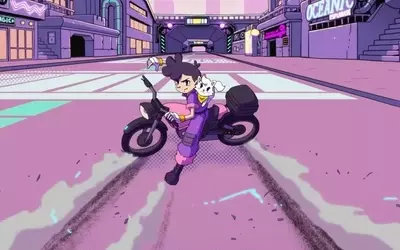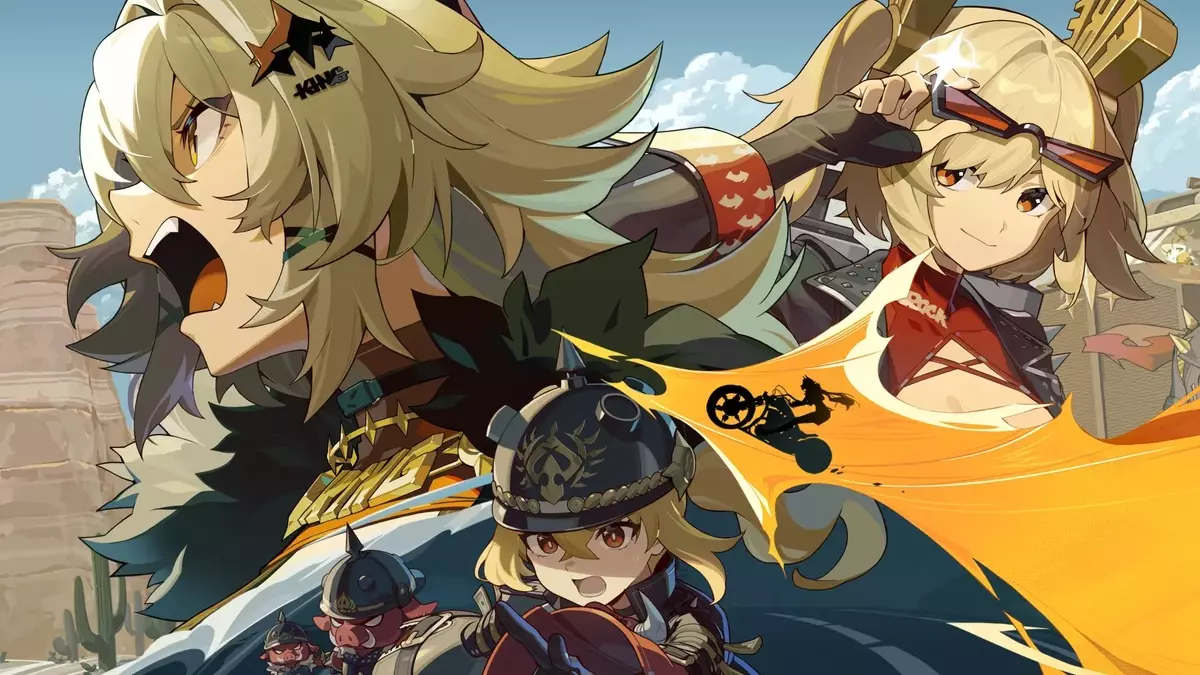
A recent dispute has emerged in the gaming community, with an independent game developer alleging that a prominent studio, MiHoYo, incorporated elements of his puzzle game into their latest release. Michael Kamm, the creator of 'Ouros,' presented compelling video evidence to support his claim that 'Zenless Zone Zero' features puzzles remarkably similar to his own creation, which first appeared in 2025.
Kamm's decision to speak out was prompted by accusations from some players who mistakenly believed his game, 'Ouros,' was a copy of MiHoYo's title. He explained that due to MiHoYo's substantial market presence and his own game's lesser-known status, it was understandable why such assumptions were made, despite the underlying frustration of uncredited replication. The comparison video meticulously details shared gameplay mechanics, such as manipulating curves and 'curve portals' for ball teleportation, identical hint systems, and even similar visual aesthetics, making it difficult to dismiss these overlaps as mere coincidence.
This is not an isolated incident for MiHoYo. In April, another independent studio, Pipapo Games, raised concerns that their unreleased cartography game, 'Map Map,' had its mechanics mirrored in MiHoYo's popular 'Genshin Impact.' These recurring accusations highlight a broader challenge faced by smaller developers in protecting their intellectual property against larger corporations. While broad game concepts are often iterated upon in the industry, the extent of the similarities in these cases raises questions about ethical development practices. Kamm, however, has not indicated plans for legal action, primarily aiming to clarify the origins of the game design.
These instances underscore the importance of intellectual property respect and fair play within the creative industries. Innovation thrives when original contributions are acknowledged and protected, fostering a more equitable and inspiring environment for all creators, regardless of their scale or market influence. Recognizing and upholding these principles is crucial for maintaining integrity and encouraging diverse talent in the global gaming landscape.