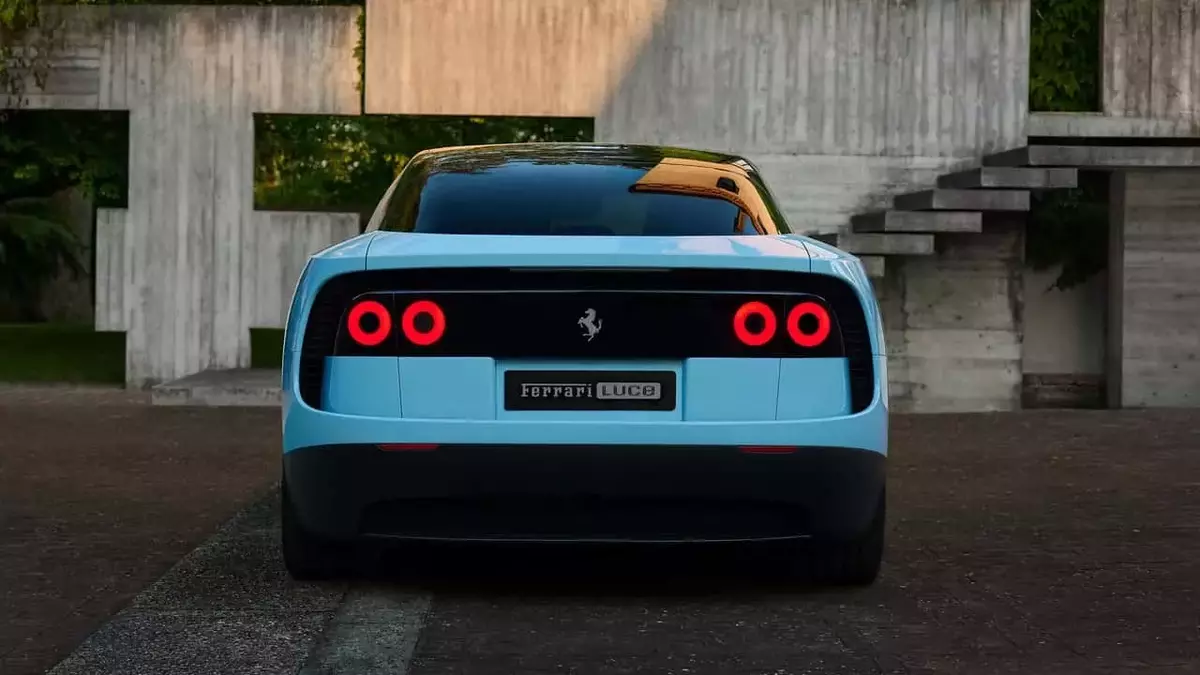
Ferrari's venture into the electric vehicle market with its new five-passenger Luce EV has been met with a lukewarm reception from both financial markets and automotive enthusiasts. The reveal of this groundbreaking model led to a notable decline in the company's stock value, indicating widespread skepticism about the direction the iconic brand is taking. This development highlights the challenges traditional luxury automakers face when transitioning to electrification while attempting to maintain their established brand ethos.
Ferrari's Bold EV Launch Faces Investor Backlash and Design Critique
In a significant announcement on Tuesday, May 27th, Ferrari unveiled its very first all-electric vehicle, the Luce EV. This five-passenger model, featuring a design collaborated on with LoveFrom, the firm led by former Apple Design Chief Sir Jony Ive, represents a dramatic shift for the legendary Italian automaker. However, the market's reaction was swift and decidedly negative. Following the unveiling, Ferrari's shares in the United States experienced a sharp decline of 4.6 percent during early Tuesday trading, contributing to a year-to-date drop of 30.2 percent. The impact was also felt internationally, with shares on the Milan stock exchange falling approximately 8.1 percent by late Tuesday morning, and an additional 5.3 percent by Wednesday morning. Analysts have pointed to two primary reasons for this adverse reaction. Michael Field, Chief Equity Strategist at Morningstar, noted that many fans expressed disappointment, feeling that the adoption of an EV concept dilutes the prestigious supercar brand. Concurrently, investors voiced apprehension regarding the substantial research and development expenses associated with electric vehicle manufacturing. Anthony Dick, an auto analyst at Oddo BHF, further emphasized that the Luce represents a significant departure from Ferrari's historical identity, a sentiment clearly echoed by the market's response. Despite these initial setbacks, Ferrari CEO Benedetto Vigna remains optimistic, describing the Luce's launch as the beginning of "a new chapter" for the company, with expectations that it will appeal to both loyal customers and a new demographic of buyers.
The introduction of the Ferrari Luce EV presents a fascinating case study in brand evolution and market adaptation. It underscores the tension between innovation and tradition, especially for a marque as steeped in heritage as Ferrari. While the move towards electrification is an inevitable step for the automotive industry, Ferrari's challenge lies in redefining its identity for the electric era without alienating its passionate fan base and core values. The initial market reaction suggests that this balance has yet to be struck. Moving forward, Ferrari will need to meticulously craft its narrative and product strategy to convince both investors of its financial viability and enthusiasts of its unwavering commitment to performance and luxury, irrespective of the powertrain. The success of the Luce, and future Ferrari EVs, will depend not just on technological prowess, but on the brand's ability to evolve while staying true to its legendary spirit.