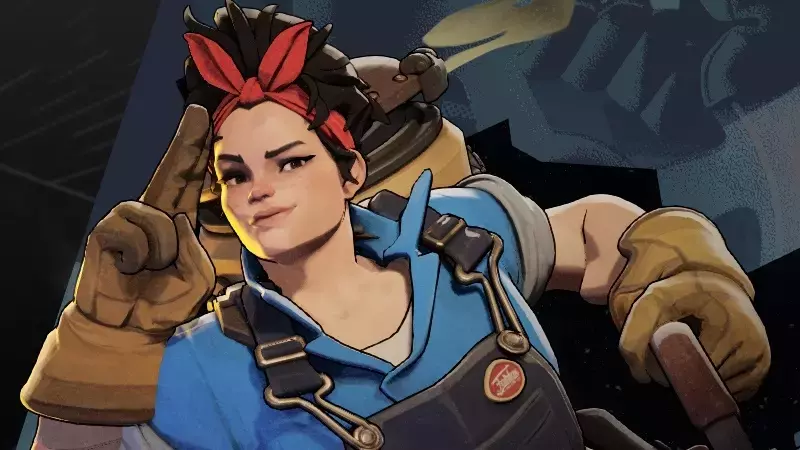
Valve's new game, Deadlock, is currently undergoing an experimental phase, leading to frequent updates and changes. A recent patch introduced a modified urn objective that significantly altered gameplay, sparking both discussion and controversy among players. This experimental change, which focused the game heavily on the midlane, ultimately proved to be too disruptive, lasting only a weekend before being reverted.
The brief but impactful experiment highlighted the challenges of balancing new mechanics in a competitive game environment. While Valve's commitment to iterative design allows for bold changes, it also means some adjustments may unintentionally create imbalances. The community's strong reaction underscored the importance of careful consideration when introducing mechanics that can drastically reshape strategic play and hero viability. Valve's ongoing adjustments reflect their dedication to refining Deadlock's gameplay experience.
Midlane Objective: A Weekend of Chaos and Unintended Consequences
The recent experimental patch in Deadlock, though short-lived, profoundly impacted the game's strategic flow. The introduction of a new urn objective that consistently spawned and had to be deposited in the midlane drastically centralized conflict. This change, intended to foster team-wide engagements, inadvertently stripped away much of the game's tactical depth. Players found themselves forced into a perpetual midlane brawling scenario, neglecting other crucial map objectives and roles. The meta shifted dramatically, favoring heroes with strong area-of-effect abilities and team-fighting prowess, while making other strategies, such as jungle control or late-game carries, largely irrelevant. This imbalance created a snowball effect, where winning the midlane urn fight often guaranteed control over the adjacent midboss, further accelerating advantages and leading to less dynamic and more predictable matches. The overwhelming feedback from the player base quickly signaled that this concentrated midlane focus was detrimental to the overall gameplay experience.
Prior to this controversial update, Deadlock's urn objective involved a more distributed approach, requiring players to transport an urn across the map to a designated drop-off point. This older system encouraged tactical movement and rewarded teams for successfully navigating the map while being vulnerable. The new iteration, however, mandated that the urn, once acquired, be deposited exclusively in the midlane. This simplification of the objective's path, coupled with a modified interaction mechanic (meleeing to pick up and deposit), removed layers of strategic decision-making. The depositing phase also allowed the opposing team to intervene, but the midlane-only placement meant that this intervention almost always escalated into an all-out brawl. The result was a monotonous cycle of midlane skirmishes that overshadowed the game's other potential strategies. Popular heroes like Lash, Billy, Dynamo, McGinnis, and Graves, who excel in close-quarter team fights or area denial, became disproportionately powerful, further narrowing the range of viable hero picks. This "mid-only fiasco" starkly demonstrated how a single objective change could inadvertently dictate the entire game's pace and meta, leading to a less diverse and engaging experience for many players.
Valve's Iterative Approach and Future Adjustments
In response to the overwhelming player feedback and the evident imbalance created by the midlane-centric urn objective, Valve swiftly introduced another patch to address the issue. Recognizing that the intense midlane focus was detrimental to the game's overall design, the developers decided to move the urn's spawn location. This rapid adjustment demonstrates Valve's commitment to an iterative development process, where player experience and community input play a crucial role in shaping the game, even during its unreleased technical state. While the core idea of promoting team fights around an objective remains, the new placement aims to diversify strategic options and prevent the game from devolving into a singular, repetitive engagement in the center lane. The change also included subtle balancing acts, such as adjusting the defensive aura for the disadvantaged team, indicating a nuanced approach to promoting competitive fairness.
The latest update, which moved the urn to under the bridge in either of the side lanes, is a direct attempt to mitigate the "All Mid, All the Time" syndrome that plagued the game during the weekend experiment. This new positioning encourages engagements in different parts of the map, reintroducing a need for strategic rotation and objective prioritization beyond just the midlane. Furthermore, while the defensive aura for the "favored" team (those behind in souls) during urn deposit has been slightly reduced from 50% to 35%, it still provides a crucial comeback mechanic. This adjustment reflects an ongoing effort to ensure that games remain competitive and that teams have opportunities to recover from disadvantages without the objective becoming too powerful or too easy to secure. Valve's willingness to quickly adapt and experiment, even if some changes prove unpopular, is characteristic of their approach to game development, aiming to continually refine Deadlock's mechanics to foster a dynamic and engaging competitive experience.