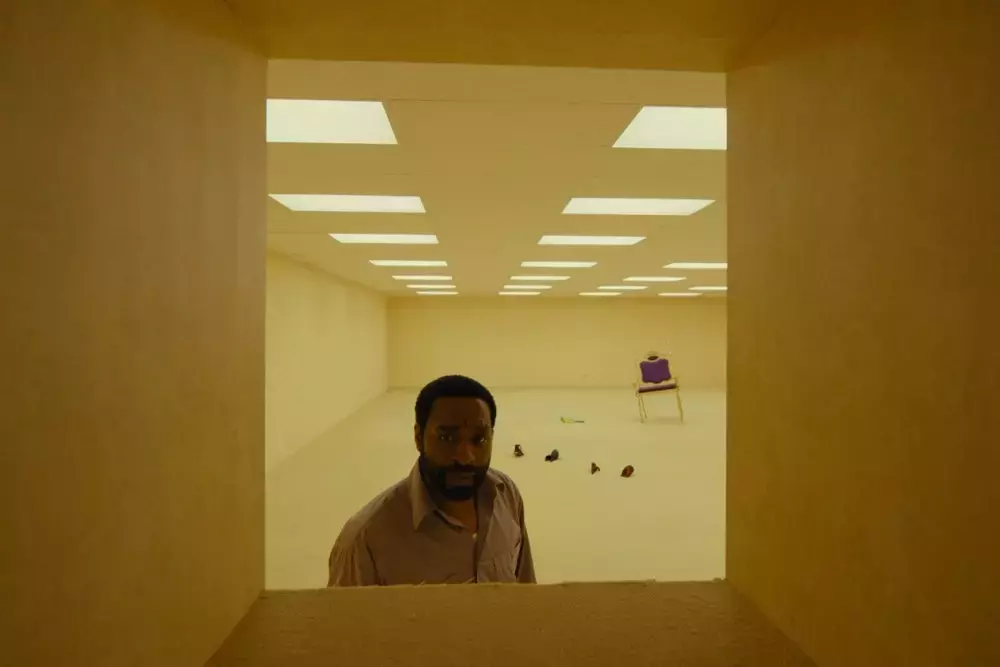
"Backrooms," directed by Kane Parsons and starring Chiwetel Ejiofor, emerges as a distinctive experimental horror film. It translates internet lore surrounding "liminal spaces" into a cinematic experience, blurring the lines between psychological thriller and abstract terror. Ejiofor's portrayal of Clark, a resentful furniture store owner, anchors the narrative as he inadvertently enters an unending, desolate realm. The film's strength lies in its ability to evoke profound unease through subtle atmospheric tension rather than overt jump scares, echoing the style of acclaimed directors like David Lynch.
The movie's origins in online creepypasta and Parsons' transition from YouTube shorts to a feature film with A24 highlight a new era of horror storytelling. "Backrooms" leverages its internet roots to craft a compelling, unsettling world, questioning the very fabric of reality. Its exploration of personal despair intertwined with a physically impossible landscape offers a fresh perspective on the horror genre, promising an impactful and thought-provoking viewing experience that pushes creative boundaries.
The Cinematic Evolution of Internet Horror: From Memes to Feature Film
Kane Parsons' "Backrooms" represents a significant leap in adapting internet phenomena into cinematic art. The film effectively transforms the abstract concept of "liminal spaces"—deserted, often unsettling environments popularized by online memes—into a tangible and terrifying narrative. The review highlights how Parsons, at a remarkably young age, masterfully crafts an atmosphere of pervasive dread, drawing inspiration from his successful YouTube series. This transition from viral content to a full-length feature film, supported by A24, underscores the growing influence of digital culture on mainstream cinema and the potential for new voices to redefine genre conventions. The film's experimental approach to horror, prioritizing mood and psychological impact over conventional scares, signals a bold direction for the genre, inviting audiences to confront deeper, more existential fears.
"Backrooms" builds upon its internet origins, which initially stemmed from a single eerie photograph and evolved through collaborative online storytelling. Parsons' vision extends this foundation, using the found-footage aesthetic reminiscent of "Blair Witch Project" and the unsettling visual language of "liminal spaces" to create a unique horror landscape. The film's narrative centers on Chiwetel Ejiofor's character, Clark, whose personal turmoil merges with his accidental entry into this infinite, abandoned world. This fusion of individual psychological struggle and a disorienting, physically impossible environment makes "Backrooms" a compelling study of fear and the unknown. The film challenges audience expectations, offering a horror experience that is both intellectually stimulating and viscerally unsettling, demonstrating Parsons' prowess in crafting a modern, experimental horror masterpiece.
A Deep Dive into Psychological Terror and Liminal Spaces
"Backrooms" offers a deeply unsettling exploration of psychological terror, skillfully orchestrated by director Kane Parsons. The film plunges viewers into a disorienting world where reality is fluid, creating an immersive experience that mirrors the internal struggles of its protagonist, Clark. Chiwetel Ejiofor's compelling performance as a man grappling with personal failure adds a profound layer of human vulnerability to the otherwise surreal and terrifying environment. The movie's genius lies in its ability to generate fear through suggestion and atmospheric build-up, rather than relying on conventional scare tactics, making it a unique entry in the horror genre. This emphasis on subtle dread and the pervasive sense of being trapped in an endless, forgotten space captivates and unnerves the audience, leaving a lasting impression.
The film brilliantly employs the aesthetic of "liminal spaces"—locations that are transitional, abandoned, and evoke a sense of uncanny familiarity—to amplify its horror. These desolate, yellowish rooms, illuminated by flickering fluorescent lights, become a metaphor for Clark's internal void and his desperate search for meaning. Parsons' masterful use of sound design and visual distortion further enhances the film's eerie mood, drawing comparisons to the works of avant-garde directors like David Lynch. "Backrooms" transcends a simple horror narrative, becoming a meditative journey into the depths of fear and the unknown. It explores the idea that true terror might reside not in what is explicitly seen, but in the unsettling vastness of what remains just out of reach, solidifying its place as a thought-provoking and innovative piece of experimental horror cinema.